Blog ·
Maximizing Your Solar System's Performance Year-Round
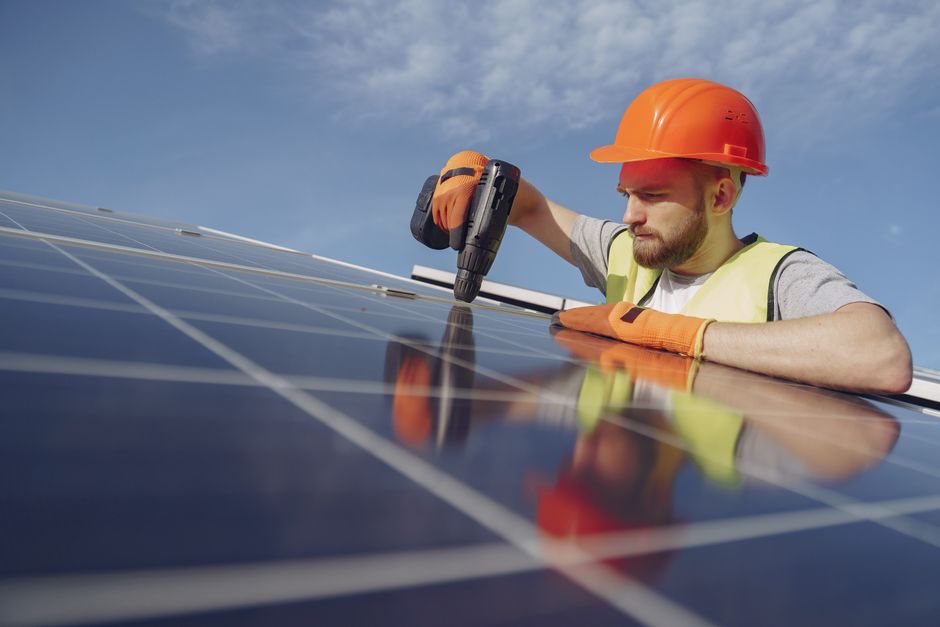
Your residential solar system is designed to generate clean energy for decades, but how well it performs depends on proper care and understanding. Maximizing performance year-round keeps your system efficient and reliable throughout its lifetime.
Cleanliness directly impacts output. Solar panels work best when their surfaces are clear and unobstructed. Dust, pollen, bird droppings, and leaf debris can reduce efficiency. In most climates, rain naturally cleans panels, but periods of dry weather or locations near trees may require occasional manual cleaning. Check your system monthly, especially after storms or during dry seasons, and clean panels with a soft brush and mild soap if needed.
Monitoring your system's output helps you catch problems early. Most modern systems include monitoring software that displays real-time and historical energy production. Compare these numbers to your expectations. Unusual drops in output may indicate a panel issue, inverter problem, or shading issue that needs attention. Many monitoring systems alert you to faults, allowing you to contact your installer quickly.
Vegetation management around your system is crucial for long-term performance. Trees that provide shade during installation may grow taller over years, creating increasing shade as seasons change. Trim branches that begin to shade your panels during peak daylight hours. This simple maintenance protects your investment in clean energy generation.
Your inverter is the system's brain, converting solar electricity into usable power. Most inverters include error codes and status lights that indicate proper function. Familiarize yourself with normal operation indicators. If warning lights appear, consult your system documentation or contact your installer for guidance. Regular inverter maintenance is typically minimal, but knowing what to expect helps you identify problems.
Weather considerations affect output seasonally. Winter typically brings reduced output due to shorter days and potentially more cloud cover, though modern panels still generate significant energy. Summer output increases with longer daylight hours. Understanding these seasonal patterns prevents confusion about normal variations in performance.
Electrical connections should remain secure and dry. Have your installer show you where the main disconnect switches and breaker panels are located. Periodically inspect visible wiring for damage, though most residential systems house electrical connections in weatherproof boxes. If you notice any damage or corrosion, contact a professional electrician before it becomes a safety concern.
Regular attention to these areas ensures your residential solar system operates at peak efficiency, maximizing the clean energy your home generates.