Blog ·
Calculate Your Home's Solar Production Potential: A Practical Guide
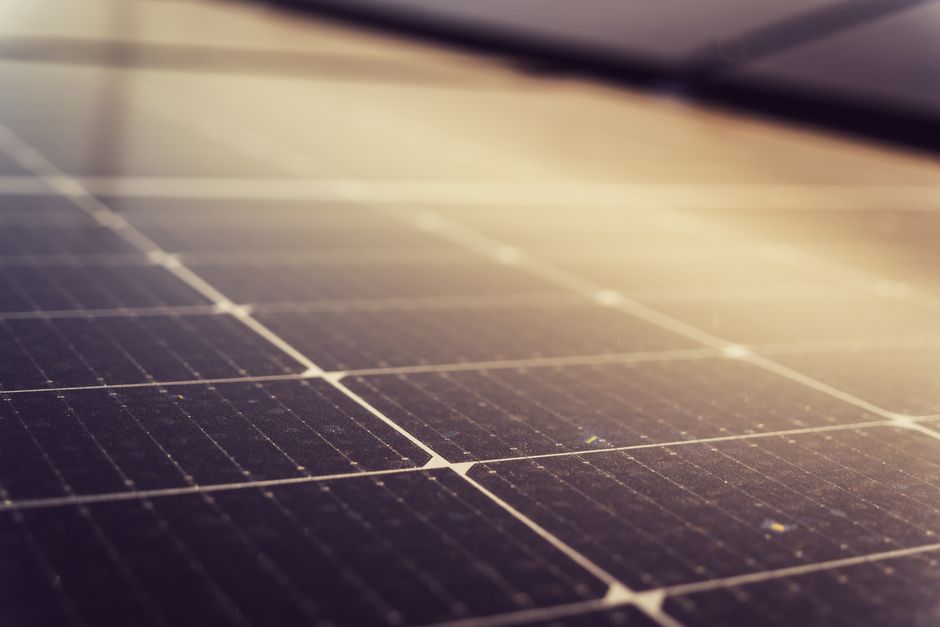
Understanding how much electricity your solar system will actually generate is crucial before making the investment. At Berliner Base, we help homeowners accurately estimate their solar production potential so you know exactly what to expect. Here's how to assess your home's solar capabilities.
Determine Your Roof's Solar Potential
Start by evaluating your roof's suitability. South-facing roofs receive the most consistent sunlight throughout the day, but east and west-facing roofs also work well. Check for shade from trees, buildings, or other obstructions—even partial shade can significantly reduce output. Your roof's age and structural integrity matter too; our custom photovoltaic system design process includes a thorough roof assessment to ensure your system performs optimally for decades.
Calculate Your Usable Roof Space
A typical residential solar panel requires about fifteen to twenty square feet of space. Count how many panels could realistically fit on your unshaded roof areas. Generally, five to ten kilowatts is standard for residential systems, which translates to fifteen to twenty-five panels depending on efficiency ratings.
Know Your Location's Solar Irradiance
Your geographic location dramatically affects production. Areas closer to the equator and at higher elevations receive stronger solar irradiance. You can find your location's average peak sun hours online—this tells you how many hours daily your panels receive useful sunlight. Regions with more consistent sunlight will naturally produce more annual energy output than areas with frequent cloud cover or shorter daylight seasons.
Account for Real-World Factors
While panel specifications list efficiency ratings, real-world output is typically seventy-five to eighty-five percent of rated capacity. Account for temperature (hot panels are less efficient), dust, snow coverage in winter, and equipment losses. Our custom photovoltaic system design process incorporates these variables to give you realistic production estimates specific to your property.
Work with Professionals for Accurate Assessment
Manual calculations provide ballpark figures, but professional analysis is far more accurate. During our custom photovoltaic system design phase, we conduct site surveys, use specialized software, and evaluate your unique conditions. After professional solar installation, ongoing system monitoring tracks actual performance, showing you real data versus estimates and ensuring everything operates at peak efficiency.
The bottom line: understanding your solar production potential prevents surprises and helps you make informed decisions. Reach out to discuss your home's specific opportunity.